Electric Car Icons: Elevating Eco-Friendly Web Design
In the rapidly evolving landscape of digital communication, visual language plays a pivotal role in conveying complex ideas instantly. As the world shifts towards sustainability, the demand for high-quality digital assets that represent this transition has never been higher. This is where Electric Car Icons become an essential tool for designers, developers, and content creators. These are not merely decorative elements; they are strategic components that help brands articulate their commitment to environmental protection and modern technology.
Welcome to a resource designed to help you understand the value and application of these specific design elements. Whether you are building a corporate website, designing a mobile application, or creating marketing materials, the right iconography can bridge the gap between your message and your audience. The collection known as Electric Car Icons, often bundled with broader ecology and environmental protection vectors, offers a comprehensive solution for those looking to visualize the green future.
The Visual Language of Sustainability
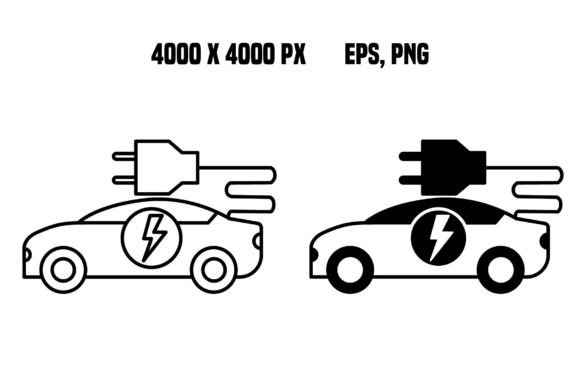
What exactly are Electric Car Icons? At their core, they are standardized graphic symbols representing electric vehicles (EVs), charging infrastructure, battery technology, and the broader ecosystem of clean energy. However, in the context of professional web design, they serve a much deeper purpose. They act as immediate visual cues that signal innovation, responsibility, and forward-thinking.
When users land on a webpage discussing renewable energy or automotive trends, their eyes scan for familiar patterns. A well-crafted vector icon of an electric car instantly communicates the subject matter without requiring the user to read a single paragraph. This efficiency is crucial in an era of short attention spans. By utilizing Electric Car Icons, designers can create intuitive navigation paths, clear call-to-action buttons, and engaging infographics that guide the user through the content effortlessly.
Beyond the vehicle itself, these icons often encompass related themes such as solar panels, wind turbines, recycling symbols, and leaf motifs. This holistic approach allows for a cohesive visual narrative about ecology and environmental protection. When these elements are unified under a single style guide, they create a brand identity that feels trustworthy and professionally curated.
Addressing Common Design Challenges
Designers frequently face significant hurdles when attempting to incorporate eco-friendly themes into their projects. One of the most common challenges is the lack of consistency. Sourcing individual images from different free repositories often results in a disjointed look where line weights, colors, and styles clash. This inconsistency can undermine the professionalism of a website and confuse the audience.
Another major issue is scalability. Many designers struggle with raster images that pixelate when enlarged for large banners or high-resolution displays. In the digital age, websites must be responsive, adapting seamlessly from small mobile screens to massive desktop monitors. Low-quality graphics fail this test, leading to a poor user experience that can drive visitors away.
Furthermore, there is the challenge of licensing and legal clarity. Using copyrighted images without proper permission can lead to costly legal disputes. Designers need resources that offer clear usage rights, ensuring that their projects remain compliant while maintaining creative freedom. The need for a reliable, high-quality source like the Electric Car Icons package becomes evident when considering these pain points.
How High-Quality Vector Assets Solve These Problems
The introduction of a dedicated Electric Car Icons package directly addresses these challenges by providing a unified, scalable, and legally secure solution. The key advantage lies in the format: vector design elements. Unlike standard images, vectors are mathematically defined, meaning they can be resized infinitely without any loss of quality. This ensures that whether an icon is used as a tiny favicon or a full-screen hero image, it remains crisp and sharp.
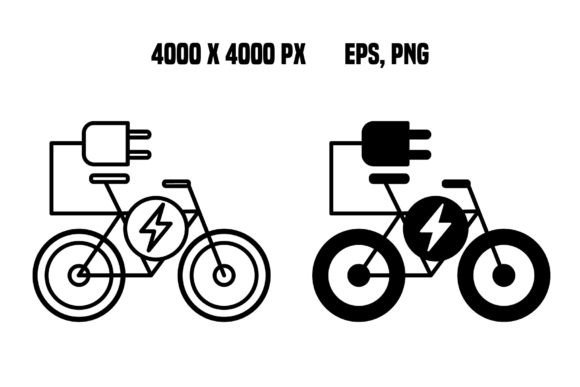
This specific collection offers transparency and versatility. With formats including both EPS and PNG, users have the flexibility to work within various design environments. The EPS format is ideal for professional graphic design software, allowing for color changes and shape modifications. The PNG files, featuring transparent backgrounds, are perfect for immediate integration into web layouts, overlays, and presentations.
Moreover, the resolution specifications are top-tier. A resolution of 300 dpi at dimensions of 4000 x 4000 pixels ensures that the graphics are print-ready as well as screen-perfect. This dual capability means that a single asset pack can serve both digital campaigns and physical marketing materials, such as brochures, business cards, and event signage. This efficiency saves time and resources, allowing teams to focus on strategy rather than troubleshooting image quality issues.
Practical Applications and Real-World Outcomes
The utility of Electric Car Icons extends across a wide range of industries and use cases. For automotive dealerships transitioning to EV sales, these icons are indispensable for highlighting inventory features, explaining charging times, and showcasing warranty benefits. On a dealership website, a clean icon set can replace lengthy text descriptions with intuitive visual guides, improving the customer journey and potentially increasing conversion rates.
Urban planning departments and municipal websites also benefit significantly. When presenting city initiatives regarding green zones, public charging stations, or emission reduction goals, clear iconography makes complex data accessible to the general public. Infographics built using these vectors can effectively communicate statistics and progress reports, fostering community engagement and support for environmental policies.
For e-commerce platforms selling eco-friendly products, these icons serve as trust signals. Placing a recognizable ecology icon near a product description reinforces the brand's commitment to sustainability. It tells the consumer that the company aligns with their values, which is a powerful driver in today's conscious marketplace. Additionally, app developers creating navigation tools for EV drivers rely on these symbols to map out routes, locate chargers, and display battery status intuitively.
Tailoring the Approach for Different Users
Different stakeholders will approach the implementation of Electric Car Icons based on their specific goals and technical expertise. Professional graphic designers might prioritize the editable EPS files. They will likely deconstruct the vector layers to customize colors, adjust stroke widths, or combine elements to create unique illustrations that match a specific brand palette. For them, the 4000 x 4000 pixel canvas provides ample room for intricate detailing and creative experimentation.
Web developers and UI/UX designers, on the other hand, may lean heavily on the PNG files with transparent backgrounds. Their primary concern is seamless integration into codebases and design systems. They value the ability to drop these assets directly into CSS grids or component libraries without worrying about background clashes. For this group, the consistency of the icon set ensures that the user interface remains harmonious across all pages of the application.
Marketing managers and content creators might view these icons as storytelling tools. They are less concerned with the technical file properties and more focused on how the imagery supports their campaign narrative. They will use the icons to create social media graphics, email headers, and presentation slides that quickly convey the message of environmental stewardship. The high resolution ensures that these visuals look professional even when shared on high-definition social platforms.
Recommendations for Implementation
To get the most out of the Electric Car Icons collection, consider the following recommendations. First, maintain stylistic consistency. Avoid mixing these vectors with clip art from other sources unless you are intentionally aiming for a collage effect. Stick to the provided line weights and aesthetic to ensure a polished look.
Second, leverage the transparency. When placing icons over photos or gradient backgrounds, the transparent PNGs will integrate naturally, avoiding the "boxy" look of white-background images. This creates a more modern and sophisticated visual hierarchy.
Third, think about accessibility. While icons are visually appealing, always pair them with descriptive text or alt tags for screen readers. This ensures that your commitment to inclusivity matches your commitment to the environment. Finally, utilize the high-resolution capabilities for print collateral. The 300 dpi standard guarantees that your printed materials will look as sharp as your digital presence.
Conclusion
The shift towards a greener future requires clear, compelling, and consistent communication. Electric Car Icons provide the visual vocabulary necessary to tell this story effectively. By offering high-resolution, scalable, and versatile design elements, this resource empowers professionals to create impactful digital experiences that resonate with audiences seeking ecological solutions.
Whether you are a designer crafting a new brand identity, a developer building a sustainable tech platform, or a marketer promoting green initiatives, the right tools make all the difference. The combination of EPS and PNG formats, coupled with superior resolution and transparent backgrounds, ensures that your vision is realized with precision and clarity. Thank you for visiting the store and exploring how these vector design elements can transform your next project into a beacon of environmental protection and innovation.