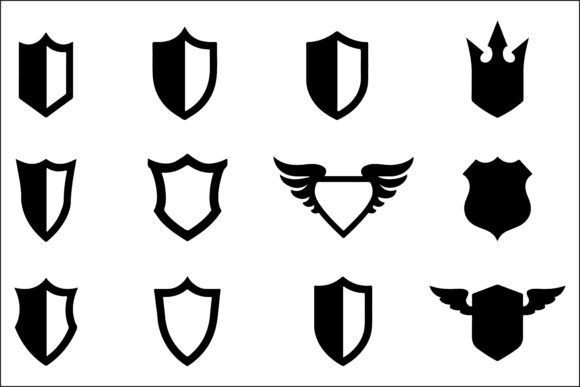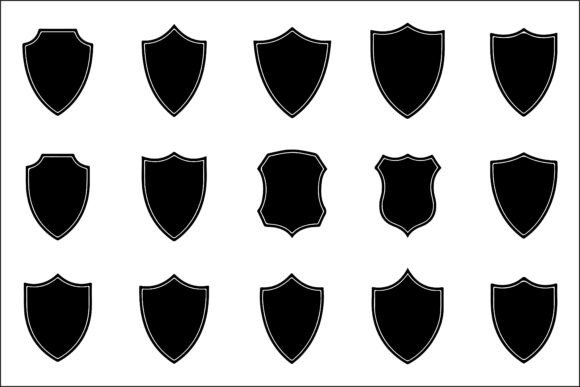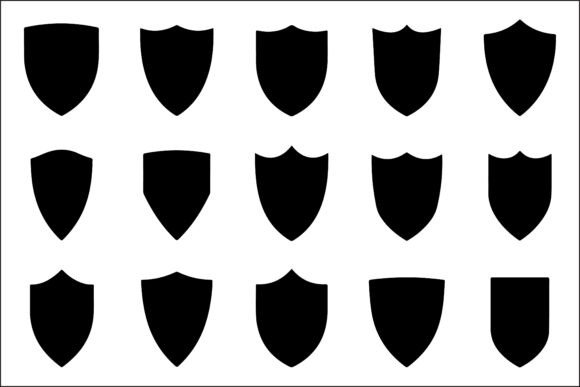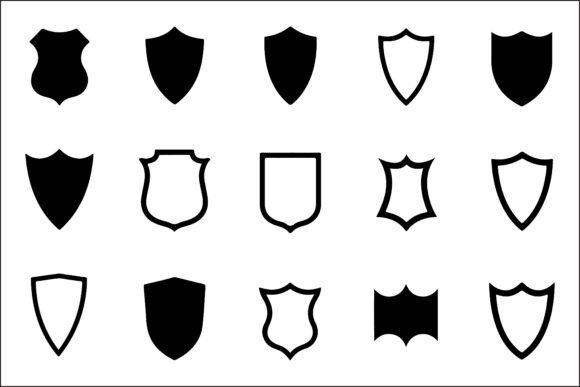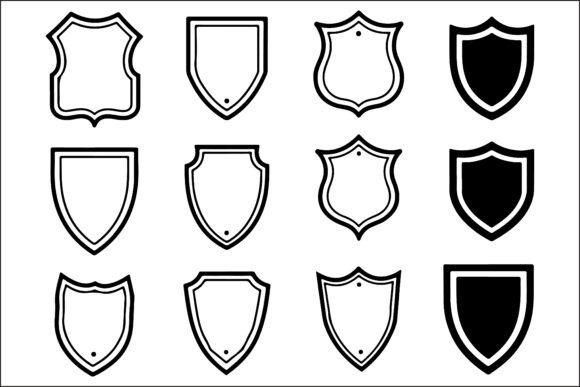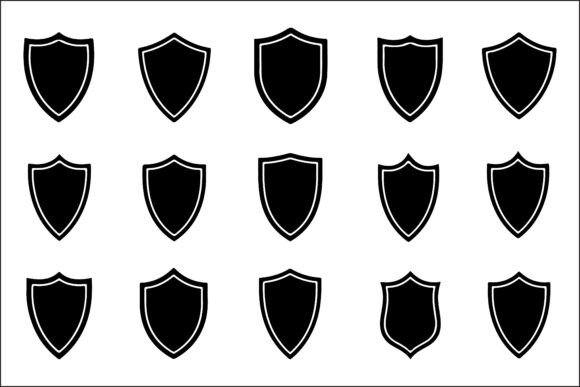
Shield Logo Vectors for Branding: The Ultimate Asset for Trust and Security
In the crowded landscape of digital identity, a logo does more than just identify a business; it communicates values instantly. When you are looking to project strength, reliability, and safety, few symbols carry as much weight as the shield. Shield Logo Vectors for Branding have become a cornerstone for designers and entrepreneurs alike because they tap into a universal psychological understanding of protection. Whether you are launching a cybersecurity startup or designing an esports team emblem, these vector assets provide a versatile foundation that scales effortlessly from a tiny mobile app icon to a massive billboard.
The beauty of working with high-quality vector files lies in their adaptability. Unlike raster images that pixelate when enlarged, vectors remain crisp at any resolution. This makes them indispensable for modern branding strategies where a single asset must perform across dozens of different mediums. When you choose a comprehensive set like the Shield Logo Vectors for Branding Set, you aren't just buying a picture; you are acquiring a toolkit designed to solve specific visual communication challenges.
What’s Actually Included in the Collection?
Before diving into how to use these assets, it is helpful to understand exactly what you are getting. A robust collection ensures you have the right file format for every stage of your creative workflow. Typically, a professional package includes:
- EPS Files: These are the industry standard for print production. If you plan to send your logo to a professional printer for business cards, banners, or large-format signage, EPS ensures the highest quality output without losing detail.
- JPG Files: Perfect for quick previews, email attachments, or social media posts where file size matters more than editability. They are universally compatible with almost every image viewer.
- PNG Files: Essential for digital design. PNGs support transparency, meaning you can place your shield logo over colorful backgrounds or complex textures without an ugly white box around it.
Having all three formats means you never have to stop and convert files mid-project. You can move seamlessly from a client presentation (JPG) to web implementation (PNG) and finally to merchandise printing (EPS).
Real-World Applications Across Industries
The versatility of the shield motif allows it to transcend specific niches. While it is most commonly associated with security, its application extends far beyond that. Here is how different sectors leverage these designs to build stronger brand identities.
Corporate and Professional Services
For industries built on trust, such as insurance, legal services, and cybersecurity firms, the shield is not just a decoration; it is a promise. A law firm using a sleek, minimalist shield logo immediately signals to clients that their interests are being guarded. Similarly, a cybersecurity company can utilize a more technical, perhaps geometric shield design to represent digital defense against threats. In these contexts, the logo acts as a visual contract of safety. It reassures potential clients that their data, assets, or legal standing are in capable hands.
The Gaming and Esports Sector
If you look at the world of video games and competitive esports, the shield takes on a slightly different character. Here, it often transforms into a badge of honor or a clan crest. Teams use these emblems to represent unity and resilience in the face of competition. An esports organization might choose a bold, aggressive shield design with sharp angles to convey dominance, while a cooperative game guild might opt for a softer, rounded shield to emphasize teamwork and mutual protection. These icons appear on jerseys, stream overlays, and in-game avatars, becoming instantly recognizable symbols of community.
Web and App Design (UI/UX)
In the realm of user interface design, space is premium. Icons need to be simple yet descriptive. A shield icon in a banking app or a password manager serves as an immediate cue for "secure area" or "privacy settings." Designers use Shield Logo Vectors for Branding to create consistent visual languages throughout an application. For example, a green shield might indicate that a transaction was successful and secure, while a red one could warn of a potential vulnerability. Because these vectors are scalable, they render perfectly on everything from a smartwatch screen to a 4K monitor, ensuring the user experience remains smooth and intuitive.
Merchandise and Promotional Items
Branding isn't limited to screens. Physical merchandise remains a powerful way to connect with customers. Shield logos translate exceptionally well onto T-shirts, mugs, pens, and stationery. Imagine a security training seminar where attendees receive branded notebooks featuring a strong shield emblem; it reinforces the theme of the event every time they take notes. The clean lines of a vector shield ensure that whether it is screen-printed on cotton or embroidered on a cap, the design retains its integrity and looks professional.
Strategic Considerations Before You Choose
While the utility of these designs is clear, selecting the right one requires some thought. Not every shield fits every brand. Here are a few practical observations to keep in mind before finalizing your choice.
Simplicity vs. Detail: One of the biggest pitfalls in logo design is overcrowding. While intricate heraldic shields look impressive in a museum, they often fail in digital environments. For modern branding, especially in apps and websites, a sparse silhouette or an outline style often works better. It loads faster and remains legible at small sizes. Ask yourself: Will this still look good if I shrink it to 16 pixels?
Color Psychology: The shape of the shield sets the tone, but color defines the emotion. Blue and silver often communicate trust and technology, making them ideal for corporate security. Red and black suggest power and aggression, fitting for gaming or sports teams. Gold and navy evoke tradition and prestige, perfect for legal or financial institutions. Ensure the color palette aligns with the specific message you want to convey.
Audience Perception: Consider who will be seeing the logo. A military-style shield might resonate with veterans or government contractors but could feel too aggressive for a family-oriented privacy service. Tailoring the style of the shield—from modern and abstract to classic and ornate—ensures you are speaking the visual language of your target demographic.
Maximizing the Potential of Your Vector Assets
Once you have selected your design, the possibilities for customization are vast. Since you are working with vectors, you can easily adjust stroke weights, change colors, or even combine elements to create a unique variation that no one else has. You might strip away the inner details to create a negative-space effect, or add a custom typography lockup to turn the symbol into a full logotype.
The true strength of Shield Logo Vectors for Branding lies in this flexibility. They serve as a starting point rather than a dead end. Whether you are a graphic designer building a portfolio, a small business owner establishing a new identity, or a marketing team refreshing an old campaign, these assets provide the structural integrity needed to build a brand that stands the test of time. By focusing on the core values of protection and strength, you create a visual identity that doesn't just look good—it feels safe.