Watercolor Lemon Summer Lemonade Beach: The Art of Digital Citrus Aesthetics
In the vibrant landscape of digital design, few motifs capture the essence of a season as effectively as the combination of bright citrus and coastal breezes. The Watercolor Lemon Summer Lemonade Beach collection represents more than just a set of images; it embodies a specific visual language that speaks to warmth, refreshment, and relaxation. For professionals, hobbyists, and business owners alike, understanding how to leverage these high-resolution assets can transform a standard project into an immersive experience. This exploration delves into the technical specifications, creative applications, and legal frameworks surrounding this particular style of digital art, offering a comprehensive guide for those looking to integrate these elements into their workflows.
The Technical Foundation of High-Fidelity Assets
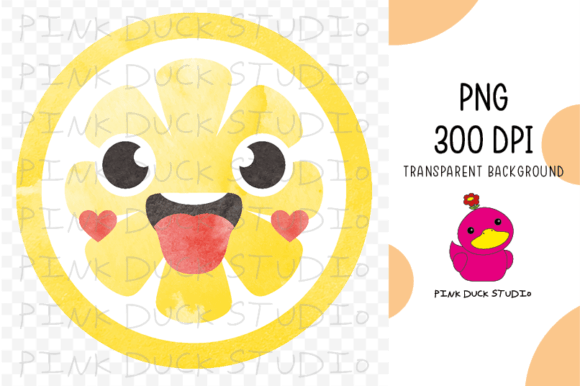
Before diving into creative application, it is crucial to understand the technical backbone that makes these graphics suitable for professional use. The specification of 300dpi resolution is not merely a number; it is the industry standard for print quality. When a designer works with a file at this density, they ensure that every brushstroke, water bleed, and color gradient remains crisp when transferred from a screen to physical media. This level of detail is particularly important for large-format prints where lower resolutions would result in pixelation or blurriness.
Furthermore, the dimensions of these files are significant. With a height of approximately 4000 pixels, these PNG files offer ample space for scaling without losing integrity. In a world where social media feeds often compress images, having a source file of this magnitude allows creators to crop, zoom, or resize the artwork for various platforms while maintaining clarity. Whether the end goal is a billboard advertisement or a small sticker, the high pixel count ensures versatility.
The choice of the PNG format with a transparent background is another strategic decision. Unlike JPEGs, which force a white or solid background onto the image, PNG transparency allows the Watercolor Lemon Summer Lemonade Beach elements to sit seamlessly on top of other textures, patterns, or photographs. This capability is essential for composite work, where the lemon slices or splashes of lemonade need to interact visually with the underlying design rather than appearing as a pasted-on square.
Why Resolution Matters in Modern Design
The relevance of high resolution extends beyond simple print quality. In the era of 4K monitors and Retina displays, screen real estate demands sharper imagery. A 300dpi file viewed on a high-density screen retains its softness and texture, preserving the organic feel of the watercolor medium. If a designer were to use a low-resolution clipart version, the soft edges characteristic of watercolor would appear jagged, breaking the illusion of realism and diminishing the overall aesthetic appeal.
Moreover, the sheer size of the file allows for non-destructive editing. When working within software like Adobe Photoshop or Illustrator, having a large canvas means that filters, blending modes, and layer effects can be applied without degrading the core image data. This flexibility is vital for designers who need to tweak the saturation of the lemons or adjust the opacity of the lemonade splash to match a specific brand palette.
Creative Applications Across Industries
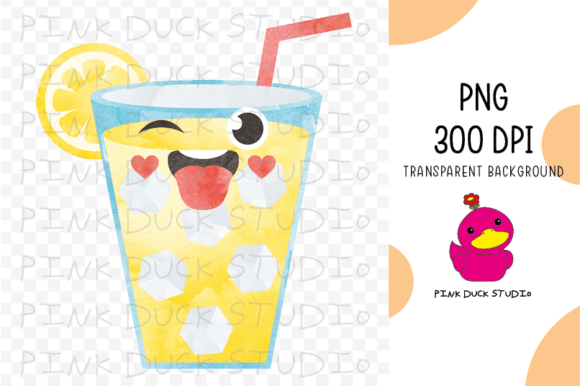
The versatility of the Watercolor Lemon Summer Lemonade Beach theme allows it to transcend a single niche. While the subject matter suggests summer beverages and vacations, the underlying colors and textures find utility in diverse sectors. From marketing campaigns for beverage companies to educational materials for children's summer camps, these assets serve as powerful visual anchors.
In the realm of hospitality and food service, these graphics are invaluable. A beachside cafe might use the lemonade splashes and lemon slices to create menu covers that evoke the taste of the drink before the customer even reads the text. The watercolor style adds a handcrafted, artisanal touch that contrasts favorably with the sterile look of corporate stock photography. It suggests freshness and natural ingredients, aligning perfectly with current consumer trends toward organic and homemade products.
Educational institutions also benefit from such thematic assets. Teachers creating summer reading lists or vacation-themed worksheets can utilize these images to make learning materials more engaging. The bright yellow tones are naturally attention-grabbing, helping to highlight key information or break up dense text. Because the images are high-quality, they can be printed on posters for classroom decoration, ensuring the room feels vibrant and inviting during the final weeks of the school year.
- Event Planning: Invitations for pool parties, beach weddings, or summer festivals often rely on cohesive themes. These PNG files allow planners to mix and match elements, placing lemons alongside palm trees or waves to create custom stationery.
- Merchandise Design: T-shirts, tote bags, and mugs featuring summer motifs are perennial bestsellers. The transparent background makes it easy to place the artwork directly onto mockups, allowing designers to visualize the final product before production begins.
- Digital Marketing: Social media posts celebrating the start of summer require eye-catching visuals. Using these high-res assets ensures that the content stands out in crowded feeds, driving engagement through superior visual quality.
Navigating Licensing and Ethical Usage
One of the most critical aspects of using digital art is understanding the licensing terms. The Watercolor Lemon Summer Lemonade Beach collection comes with specific restrictions designed to protect the original artist while empowering the buyer to create value. It is imperative for users to distinguish between "personal use," "commercial use," and "redistribution."
A primary rule governing these assets is that they must not be used as standalone graphics. This means you cannot simply download the PNG file and sell it as a digital wallpaper, a standalone print, or a stock photo. The value lies in the transformation. The license encourages users to take the raw material and build something new. For example, combining the lemon slice with a typography element that says "Fresh Squeezed" creates a distinct logo. This new creation is notably different from the original asset, satisfying the requirement for a unique end product.
Furthermore, the prohibition against reselling the digital files is absolute. Users may not share, copy, or redistribute the original PNG files, whether in their native form or bundled into a new set. This restriction prevents the dilution of the market and ensures that the original creator receives credit and compensation for their work. It also protects buyers from purchasing low-quality duplicates that flood the internet.
Restrictions on Automated Merchandising Platforms
A nuanced but vital restriction involves automated merchandising platforms like Zazzle, Redbubble, or Society6. While you can use the artwork to create a physical product (like a t-shirt), you cannot upload the file to these platforms in a way that allows others to extract the original artwork. If you list a shirt with the lemon graphic, the customer buys the shirt, not the digital file. However, if your listing allows customers to download the graphic separately or if the platform's algorithm extracts the image for resale by others, you are violating the terms.
Additionally, the license explicitly forbids redrawing or editing the artwork to sell as a vector format (SVG). Converting a raster PNG into a vector and selling it as a "vector pack" is a direct infringement. This protection preserves the integrity of the watercolor style, which relies on the randomness and texture of the original painting process. Vectorizing it strips away that artistic soul and turns it into a generic shape, which is contrary to the spirit of the purchase.
To remain compliant, creators should focus on integration and transformation. Mix the purchased artwork with other elements like text, gradients, shadows, or additional graphics. Craft something one-of-a-kind where the original asset is just one component of a larger whole. This approach not only adheres to the legal guidelines but also results in a more sophisticated and professional final product.
Psychological Impact of Color and Texture
Beyond the technical and legal considerations, there is a psychological dimension to using Watercolor Lemon Summer Lemonade Beach imagery. Color psychology plays a pivotal role in how audiences perceive a brand or message. Yellow, the dominant color in this collection, is universally associated with happiness, energy, and optimism. It stimulates mental activity and grabs attention faster than any other color.
When combined with the fluid, organic nature of watercolor, the effect is softened. Unlike flat, neon yellow which can be jarring, watercolor yellow suggests warmth and nostalgia. It evokes memories of childhood summers, family picnics, and carefree days by the ocean. This emotional connection is powerful for marketers aiming to build a rapport with their audience. It signals that a brand is approachable, friendly, and human.
The inclusion of "beach" and "lemonade" elements further reinforces themes of escape and rejuvenation. In a fast-paced, stressful world, consumers are drawn to imagery that promises a moment of pause. A website header featuring a watercolor lemon splash can subconsciously tell the visitor that they are entering a relaxed, enjoyable space. This is particularly effective for industries related to wellness, travel, and lifestyle.
Texture as a Differentiator
In a digital environment dominated by sleek, minimalist vectors, the texture of watercolor stands out. It introduces imperfection, which paradoxically makes the design feel more authentic. The slight variations in pigment density and the way colors bleed into one another mimic the unpredictability of nature. This tactile quality translates well even on screens, adding depth and interest to flat designs.
For educators and researchers, this texture can also aid in engagement. Visual variety helps maintain attention spans. A presentation slide filled with bullet points and flat icons may cause fatigue, but introducing a textured, colorful element like a lemonade splash can re-engage the audience. It breaks the monotony and provides a visual anchor that makes the information more memorable.
Implementation Strategies for Creators
For those ready to implement these assets, a structured workflow ensures the best results. Start by importing the 4000-pixel high PNG into your design software. Because of the high resolution, you will have the freedom to scale the image down significantly without loss of quality, or keep it large for print projects.
Next, consider the context. If you are designing a logo, isolate the lemon slice and add a subtle drop shadow to give it depth against the background. If you are creating a social media post, overlay the lemonade splash behind some bold typography to create a layered effect. The transparency of the PNG makes these composites seamless.
Remember the golden rule: do not distribute the original file. Always export your final project as a flattened JPG or PDF for client delivery or public posting. Keep the source PNG secure in your personal library. By following these steps, you honor the creator's rights while maximizing the potential of the artwork.
Ultimately, the Watercolor Lemon Summer Lemonade Beach collection offers a rich resource for anyone looking to infuse their projects with the vibrancy of summer. Whether you are a business owner launching a seasonal campaign, a teacher preparing for the end of the year, or a hobbyist exploring digital collage, these assets provide the perfect foundation. By respecting the licensing terms and leveraging the high technical quality, you can create distinct, impactful designs that resonate with audiences and stand the test of time.